 CONNECTICUT
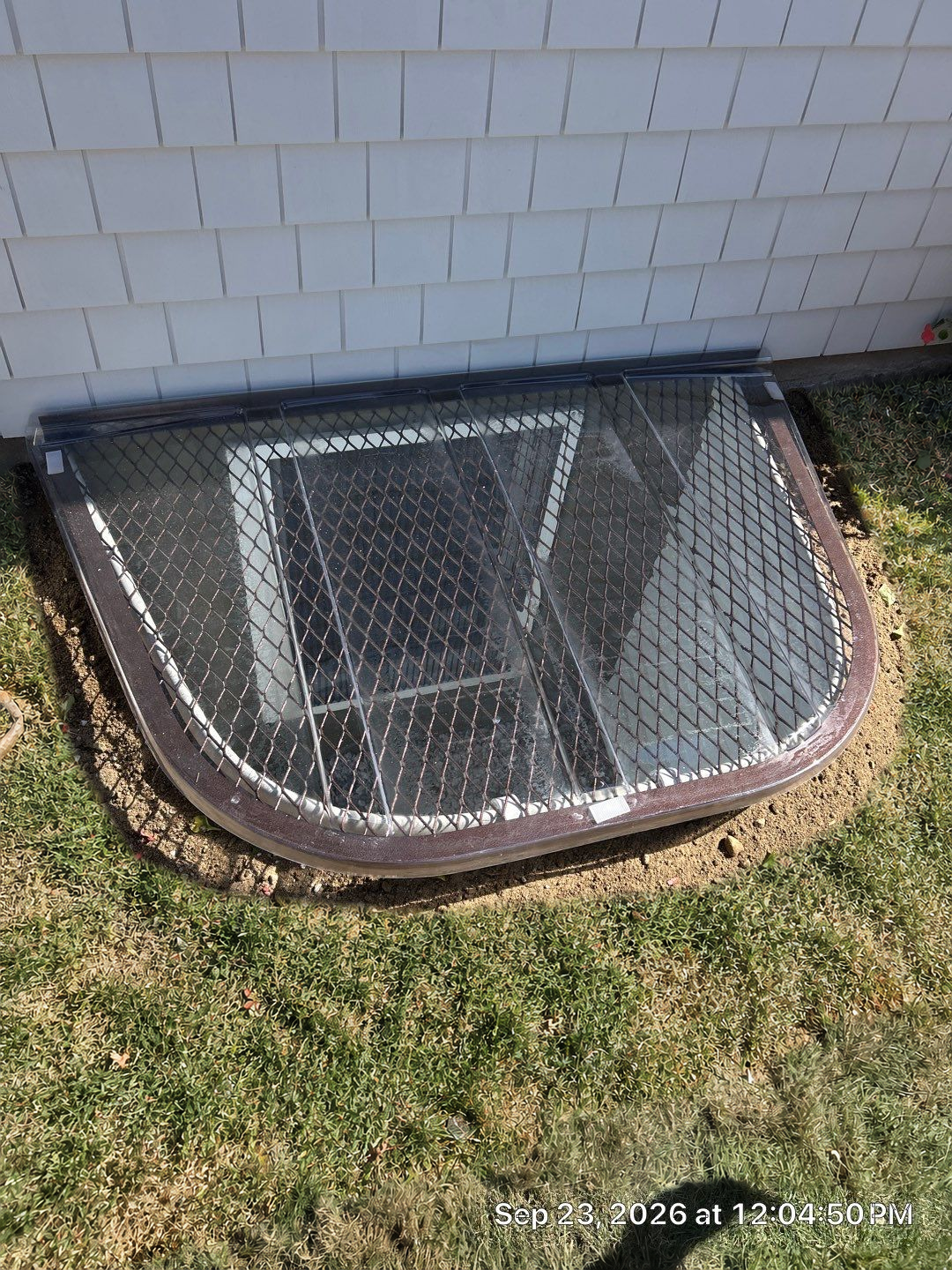
Start with what the cover is intended to do.
Egress Pros’ published cover information describes products intended to limit rain, snow, and leaves entering from above while allowing light through. The brand offers different cover and grate arrangements, so fit, material, and release method should be discussed for the actual well.
A clear cover can make a system look simple from the yard. Beneath it, however, there may be a grate, access ladder, and other components. Ask the team to identify each part and explain its function rather than treating everything above the well as one interchangeable product.
Explain the water history before selecting a solution.
Tell the team where water has appeared, when it happens, and which conditions you have observed. Photographs taken during a problem can provide context, alongside information about roof runoff, surrounding grade, previous repairs, and existing drains or pumps.
A photograph of an exterior cover cannot establish the condition or route of a buried pipe. Likewise, a new well or cover should not be assumed to resolve an unrelated basement moisture problem. Identify which concerns need assessment and which services are included in the proposed work.
Look at the wider side of the house.
Take a wider exterior view that includes downspouts, steps, paths, nearby planting, and the ground around the opening. Those features help explain the setting. A close-up of a lid may leave out the information needed to discuss runoff or access.
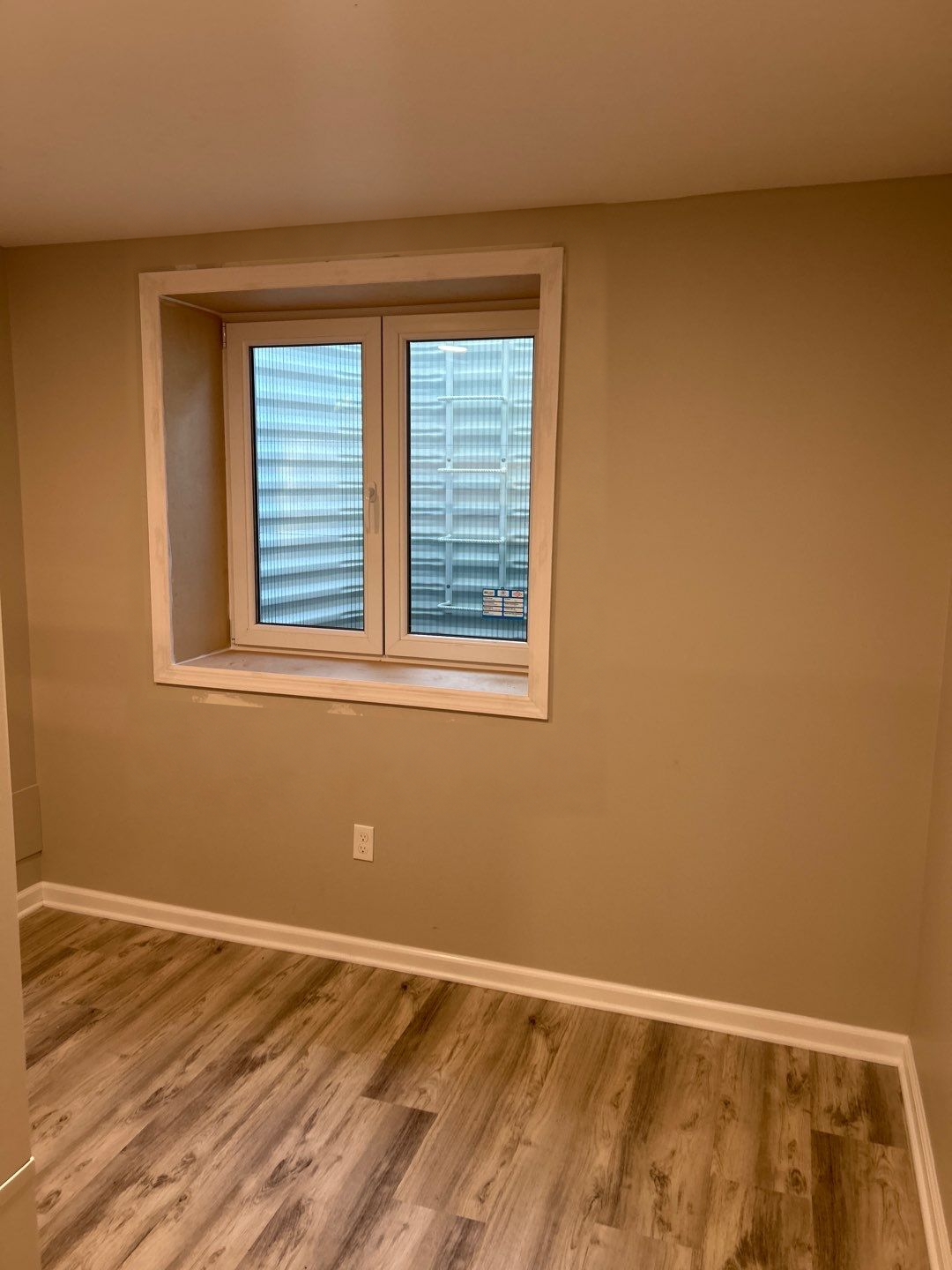
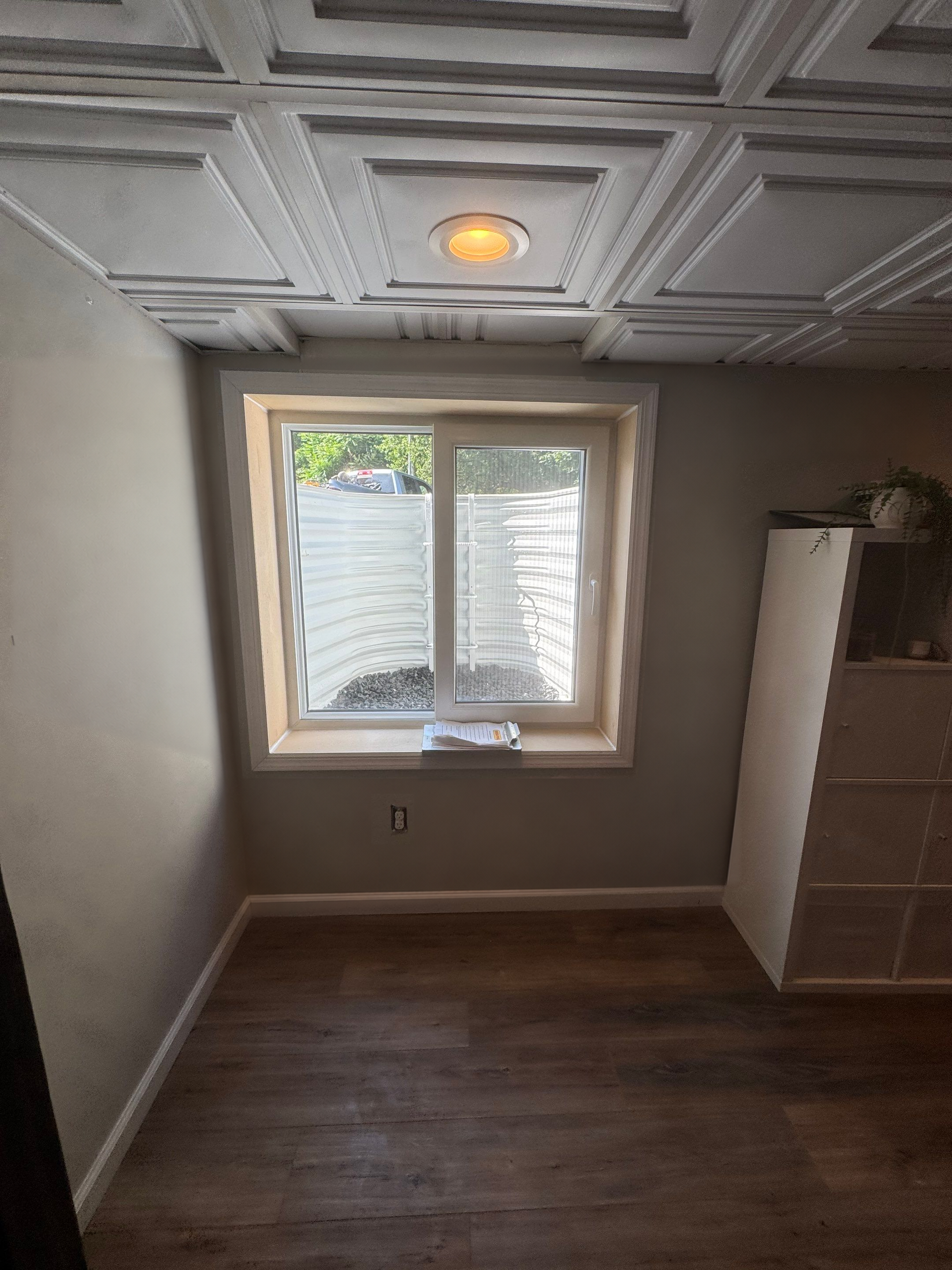
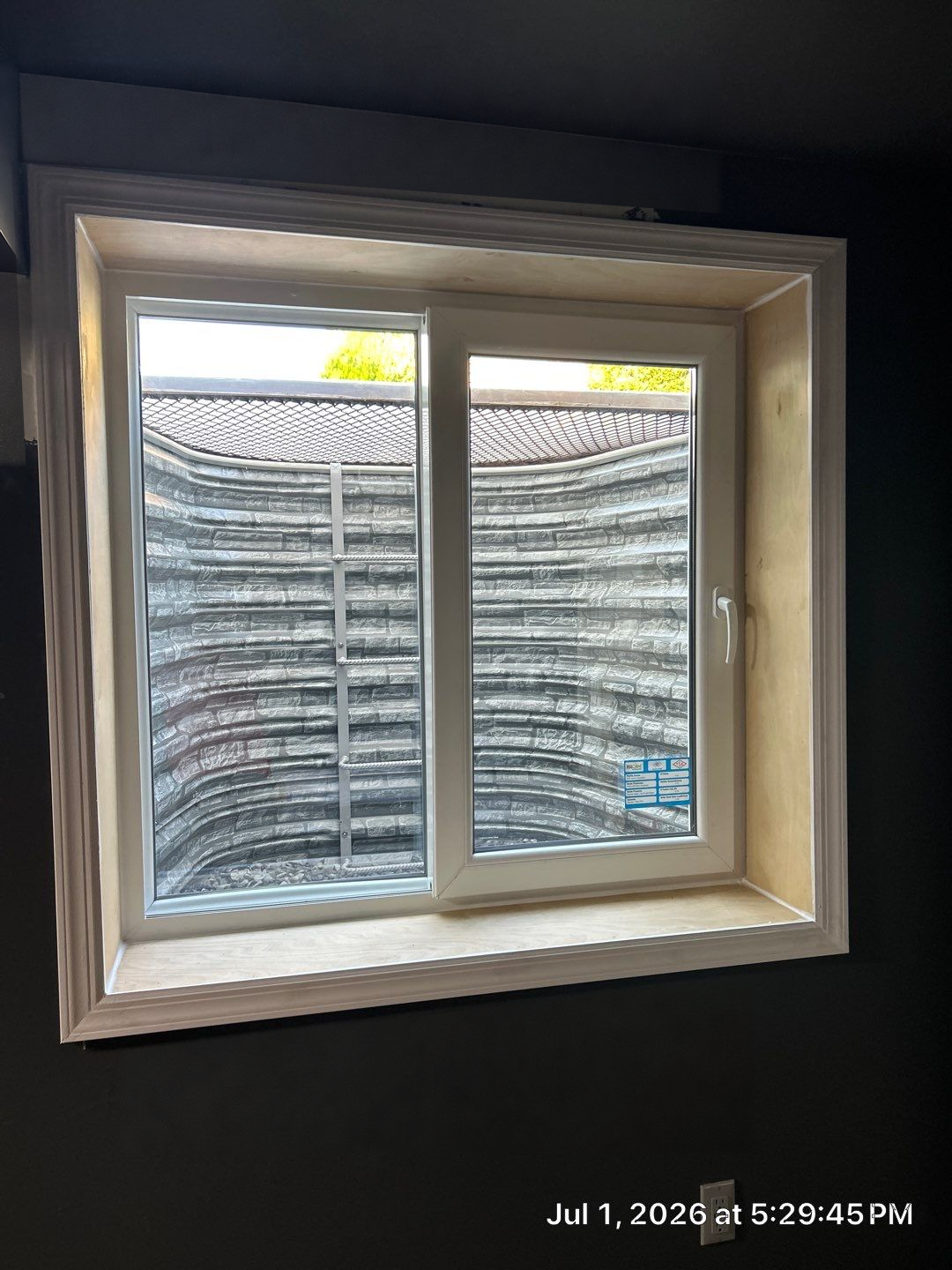
The Waterford exterior photo shows a curved well, mesh grate, clear cover, and ladder together. It is a useful example for identifying components, while the paired interior view shows the opening from the room. Neither view documents a below-ground drainage connection, so that detail needs its own product or project information.
Ask the quote to name the water-management work.
Ask whether the scope includes drainage within the well, a proposed connection to another system, a pump, or separate waterproofing work. Clarify any assumptions about existing equipment and identify who handles work that belongs to another contractor or specialist.
Also establish the restoration scope around the well. Grade, soil removal, lawn, planting, and permanent surfaces are separate items that can be described in writing. Understanding those boundaries makes a proposal more useful than a promise that the yard will simply be ‘taken care of.’
Request a maintenance explanation for the supplied system.
At handover, ask how the cover and grate release, how access features are used, and what the supplied maintenance instructions call for. Ask which visible parts should be checked and how to request service if operation becomes difficult or a water concern persists.
Keep the approach and operating space accessible. Avoid improvising alterations to the well, cover, ladder, or drainage arrangement on the strength of a general article. The useful next step for a concern is to describe the actual condition to the team that can assess the system.
Key takeaways
- A cover and drainage have different functions.
- Share observed moisture history and wider exterior photos.
- Ask what water-management work is actually included.
- Keep product instructions and the service contact available.