 CONNECTICUT
Choose the relationship you want to discuss.
A referral, a project subcontract, and a dealership involve different responsibilities. A referral introduces a customer who wants an assessment. A coordinated installation package places the work within a larger project. A dealership is a separate business-program discussion involving its own operating and commercial terms.
Tell the Connecticut team which arrangement you have in mind and what your company already provides. Explain whether you need a specialist installation partner, a product conversation, or a way to connect a customer with the team. The first discussion should establish fit before either party makes promises to a homeowner.
| Enquiry type | Starting point | Define before proceeding |
|---|---|---|
| Customer referral | Customer has an egress question or wants an assessment. | Permission to share details, contact owner, handoff and follow-up. |
| Project collaboration | Egress work is part of another contracted project. | Scope, contract structure, scheduling, design and trade interfaces. |
| Product enquiry | Your team wants to discuss products or supply. | Availability, compatibility, documents, installation responsibility and terms. |
| Dealership enquiry | You are exploring an operating business relationship. | Program availability, approval process, training and current written terms. |
Make the introduction useful for the customer.
Ask whether the customer wants to be contacted and explain which team will follow up. Share the project town, the type of improvement being considered, and enough context to avoid repeating the same discovery conversation. A few relevant photos can help, but customer permission and privacy should govern what is shared.
Avoid promising a price, installation date, permit result, or product suitability on the basis of another job. Direct the customer to the Connecticut team for the actual assessment. If the question involves a wider design, structural, water, or land-use issue, identify the relevant professional rather than treating the referral as a completed solution.
For property professionals and home inspectors, describe the observation or buyer/owner concern without turning a marketing page into an inspection determination. For facility or association contacts, identify who can authorize site access and project decisions. One clear lead contact helps the assessment move forward.
Agree the communication and commercial boundaries.
Identify who owns the customer relationship, prepares the proposal, agrees changes, and receives the project updates. Where your company is managing the wider renovation, connect the installation conversation to that project’s document and scheduling process. Where you are making an introduction only, establish what follow-up is appropriate.
The brand advertises professional programs, including discussions of discounts or commissions. Any availability, eligibility, payment terms, or disclosure obligations must be confirmed in the applicable written arrangement. Do not quote a referral fee, discount, or earnings promise from this guide.
Discuss how brand names, logos, project photos, and customer testimonials may be used. Marketing permission and project permission are separate questions. A working relationship should define approved representations so a customer is not left uncertain about who contracts for, installs, or services the work.
Use the first project to establish the process.
Begin with a defined opportunity rather than a vague promise of future volume. Prepare the project location, scope question, available drawings or photos, current stage, and the customer’s preferred contact route. Ask the team which assessment or documentation step comes next.
Before scheduling, confirm who handles design inputs, approvals, site access, separate trades, interior finishes, and exterior restoration. At handover, clarify who supplies instructions and how the owner requests service. Review the communication process afterward so subsequent introductions are better coordinated.
- A named business contact and a named customer/project contact.
- A clear description of referral, installation, product, or program interest.
- Permission to share the project information provided.
- Agreed proposal, scheduling, and scope-change communication.
- A straightforward handover and service contact for the customer.
Build useful local information over time.
Keep examples accurate: record the town, the visible system configuration, and the facts confirmed by the project record. The best customer conversations use real installation experience rather than interchangeable claims about every neighborhood.
If repeat work is expected, discuss the geographic area, typical project type, document standards, and a practical review process. Availability and capacity should be confirmed for each proposed engagement. An enquiry is the start of a conversation, not automatic enrollment in a program or authorization to represent the brand.
Look at the project in context.
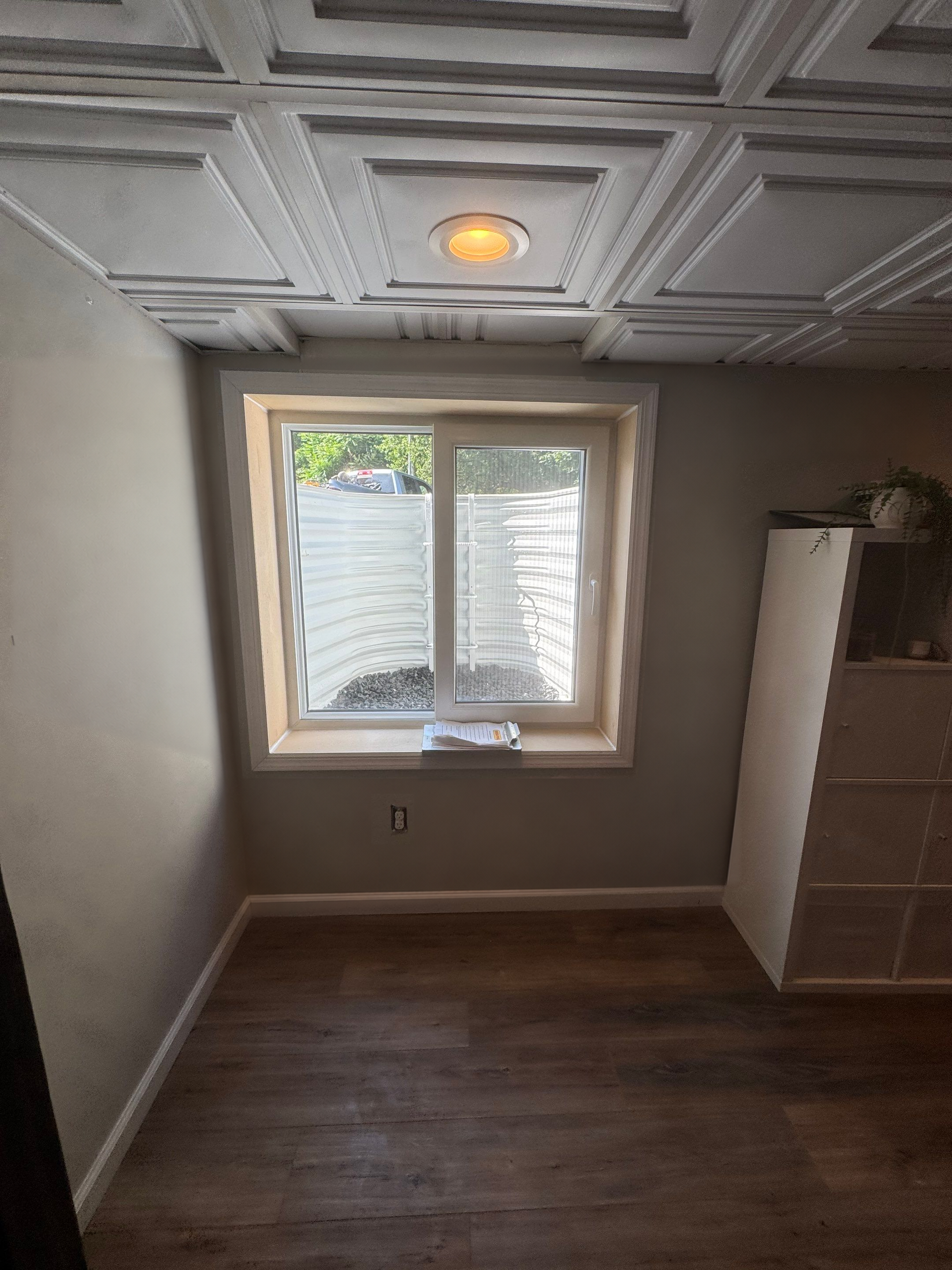
The Connecticut project portfolio provides real examples to discuss with customers. Use the project’s actual town and visible features; avoid presenting a photograph as proof of a dimension, hidden condition, or inspection result.
Explore the Glastonbury project story ↗What to send with your enquiry.
- Business name, role, service area, and primary contact.
- Type of relationship: referral, project collaboration, product supply, or dealership.
- Typical customer/project type and any current opportunity.
- How customer permission and the initial handoff will be managed.
- Expected coordination needs, marketing questions, and questions about written terms.
- Preferred next step for a discussion with the Connecticut team.
The brief is a blank planning checklist. Attach relevant photos or drawings in your email app after reviewing your message.
Questions from partnership opportunities.
Is a referral partnership the same as a dealership?
No. An introduction or project collaboration is different from operating under a dealership arrangement. Describe the relationship you want so the team can direct the enquiry appropriately.
Are commissions or trade discounts guaranteed?
No terms are established by this page. Ask about the current program, eligibility, any disclosures, and the applicable written commercial arrangement before making a representation or expecting payment.
Can I send a customer’s photos and contact details?
Obtain the customer’s permission and share only relevant project information through the agreed contact route. Explain who will contact the customer and the purpose of the introduction.
Can I use the logo or installation photos in my own marketing?
Discuss permission and approved brand use first. A project referral does not by itself grant a license to use brand assets, customer images, or testimonials.